The Myth That Every Gathering Needs a Host in Charge
A gathering without a host in charge can still feel welcoming: make coordination clear, offer specific ways to help, and leave guests free to simply attend.

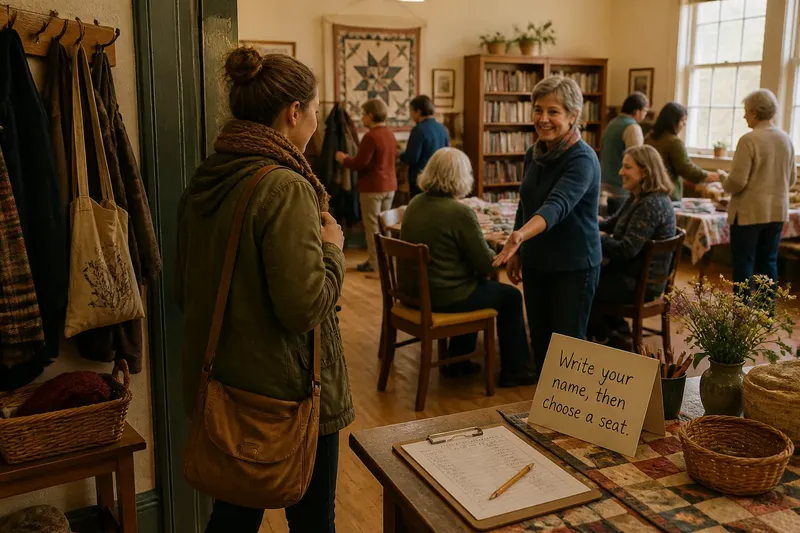
At a parish hall, the kettle clicks off as two neighbors carry folding chairs toward the windows. Nobody is directing them, but the room is taking shape. A gathering without a host in charge can work when people know what help is welcome and who handles the decisions that cannot be shared.
That distinction matters at a harvest supper, village-hall music night, or family reunion, especially when guests bring different customs and ideas about helping. Shared hosting does not mean leaving everything to chance. It means distributing practical tasks while keeping coordination distinct from the work itself.
Coordination is different from shared hosting
A coordinator keeps the basic plan in view. That person might confirm access to the hall, tell people when the meal begins, and answer questions about the venue. Shared hosts, by contrast, take on particular tasks: setting out cups, welcoming arrivals, or clearing serving dishes.
One person can coordinate without directing every interaction or doing every job. The distinction is useful: the coordinator owns a few essential decisions, while volunteers and guests can choose specific contributions. Nobody needs to guess whether an open invitation to help means taking charge of the whole occasion.
Without that clarity, work can drift toward whoever seems most confident. A simple plan makes tasks visible and optional, while leaving “just coming along” as a valid way to take part.
Give each contribution a clear shape
“Everyone pitch in” sounds generous, but it does not tell anyone what to do. A useful invitation names the task, when it is needed, and where to find the supplies.
- Before people arrive: If the chairs are stacked beside the hall entrance, ask an early volunteer to set out a few; if no one is available, keep the seating arrangement simple.
- As people arrive: If newcomers may not know the room, ask someone familiar with the venue to point out the coat hooks and tea table; if nobody takes that role, put up a clear sign.
- During the gathering: If the kettle needs attention, invite a willing person to refresh it; if no one volunteers, serve what is ready rather than interrupting the event to recruit.
- At serving time: If dishes need ingredient labels, ask the person bringing each dish to label it; if a label is missing, let guests ask the contributor before choosing.
- As people leave: If the room must be reset, invite those who are able to return chairs; if help is limited, ask the venue contact which tasks are essential and leave the rest for the agreed arrangement.
- For reusable items: If decorations or serving containers belong to particular guests, ask them to collect their own items; if an owner is unclear, set the items aside and check with the coordinator rather than assigning them to someone.
These are invitations, not surprise assignments at the door. A short message sent ahead can list the tasks and let people choose one, while making clear that no one has to volunteer. If several people offer the same help, the coordinator can suggest another task or simply accept that the job is covered.
Choose structure that fits the occasion
A hall that needs to be opened or a meal served at a set time may call for named roles. A casual music night may need only a shared understanding: cups go back on the tray, and the last person leaving checks with the venue contact. The useful level of structure depends on the gathering.
For recurring events, rotate visible jobs so the same person does not become the permanent kettle-keeper. Offer different kinds of contribution. Someone who would rather not greet a room might label dishes; someone who cannot stay late might help set up before guests arrive. Sharing a local song or explaining a familiar custom can also help newcomers feel included, without making them responsible for running the event.
Imagine a village-hall supper where one organizer has been cooking, arranging tables, and clearing plates alone. For the next supper, she sends a message offering three specific choices: set out crockery before the meal, bring a labeled dish, or help return chairs afterward. Guests choose the tasks that fit their evening; one person cannot stay late, so she selects the crockery job instead. The expected result is that the organizer has less work during the meal, while the late cleanup still has a named volunteer.
Keep essential decisions with a named contact
Sharing the work does not require sharing every decision. A named contact should handle practical commitments such as confirming access, communicating with the venue, and deciding what to do if the room is unavailable. Guests can share the ordinary tasks without being made responsible for those commitments.
Set boundaries around each offer. Bringing a dish does not automatically mean serving everyone or taking leftovers home. Welcoming arrivals does not mean monitoring the entire event. “Could you put out the mugs before we start?” is clearer than “Can you look after the refreshments?”
For food, a brief note about ingredients or serving arrangements can help guests make their own choices. Keep it factual and easy to update. For venue decisions, follow the venue’s own instructions, since arrangements differ.
How does a gathering without a host in charge stay clear?
Does shared hosting mean nobody is responsible?
No. It means tasks are divided instead of bundled into one person’s role. A named coordinator can keep essential decisions while others take on defined, optional contributions.
How can guests tell what help is welcome?
Name a task, say when it is useful, and identify the supplies or place involved. “The extra chairs are by the side door; please set out a few if you arrive early” gives people a clear option without asking them to guess.
What should happen if nobody volunteers?
Scale the plan to the help available: use fewer decorations, serve a simpler meal, or ask one person whether they can take on a small, specific job. If they decline, adjust the plan rather than treating silence as consent.
Can one person coordinate while others share the work?
Yes. Coordination can mean confirming the venue, communicating the plan, and keeping track of what remains undone. It does not require personally doing every task or directing how everyone participates.
Explain local customs without making them a test
Communities have different cues about hospitality. At one hall, regulars may put chairs away as a matter of course; elsewhere, visitors may wait for an invitation. A gathering that draws people from several places should not treat one custom as universal. A short explanation helps people join in without suggesting they should already know the local routine.
Offer choices that do not assume everyone drives, lifts furniture, stays until closing, or knows the regulars. Someone might label serving dishes, keep a song list, or bring a small item from home. The aim is not to make every guest responsible for the event, but to leave more than one comfortable way to participate.
For a gathering without a host in charge, make the division plain: name the coordinator, describe a few optional tasks, and say which decisions remain with that contact. Then guests can choose whether to help, and the person with the keys can put down the tray and join the conversation.